
What is MS?
Manufactured spending — creating spend you would not otherwise have. The usual goal is to farm credit-card rewards or cash back. Most credit cards earn something back, and even some debit cards do — 1%, 2%, even 5%, or in rare promotions 10% under certain conditions. You might shrug at 2%: if you already spend $50,000 a year (your organic spending), 2% cash back is $50,000 × 2% = $1,000. A thousand dollars a year may not feel worth the brainpower and time. On the other hand, if you can “MS” another $100,000, $200,000, or even $1,000,000 of card spend and get that money back into your wallet somehow, you never really spent that much. You are effectively earning points on volume you did not truly consume. Sometimes MS points are not free, but the cost is often far below the face value of the spend. MS sits in a grey area of ethics and the card issuer’s rules. If you find a method that works, read the Terms and Conditions first. After all, the big “get rich without working” ideas tend to be written into the rulebook somewhere.
Success stories
Methods that still work today rarely get posted online. If someone who knows one broadcasts it, the internet spreads it tenfold overnight, the loophole dies, and that person loses their edge — they have essentially taken their own meal ticket away.
That said, a few past successes are worth reviewing. They may spark a new idea of your own.
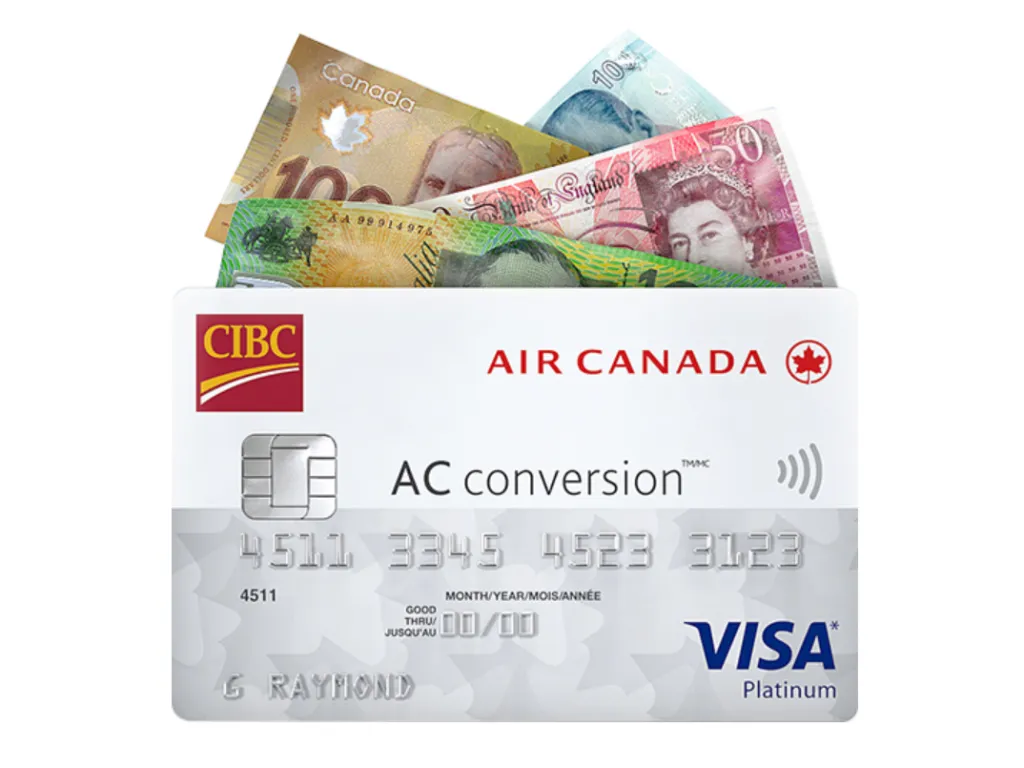
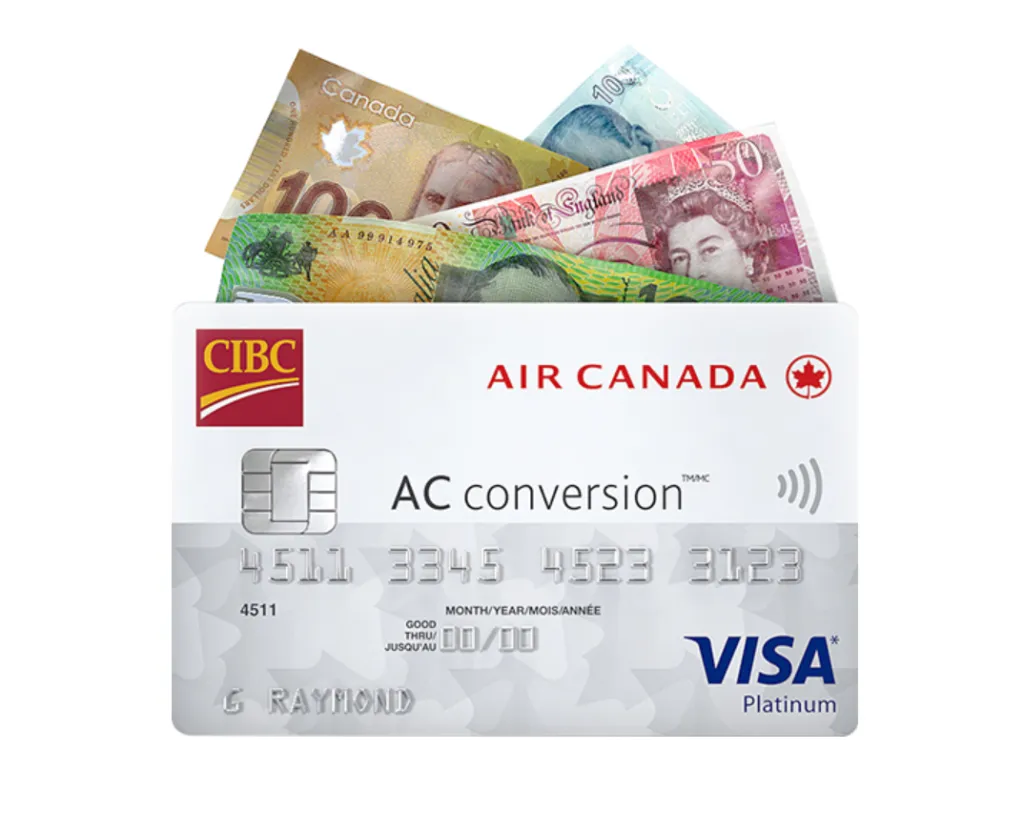
- CIBC AC Conversion multi-currency prepaid credit card. You could load it from another credit card, then withdraw cash at an ATM. At first there were no fees. Once too many people piled in — some MS’d into the millions — limits appeared, then fees and other restrictions, and the method died.
- The Royal Mint — Canada’s mint. You could once buy face-value coins on a credit card ($25, $50, even $100 pieces) and then spend or deposit them. Prices rose later, and it stopped making sense.
Precious metals work on a similar idea. You can still spot occasional metal sales, buy with a card, and sell near the same price to keep the card rewards. Opportunities are scarce, hard to scale, and rarely sustainable.
-
Peer-to-peer transfer services. Plenty of examples — Tilt among them — where you could send money to a “friend” by credit card with little or no fee, or a fee smaller than your card’s earn rate. Most of those companies do not last six months.
-
Overpaying phone bills, tuition, and similar charges, then getting a cheque refund. This can still work, but the float is long and cheque refunds are YMMV, so it has clear limits.
-
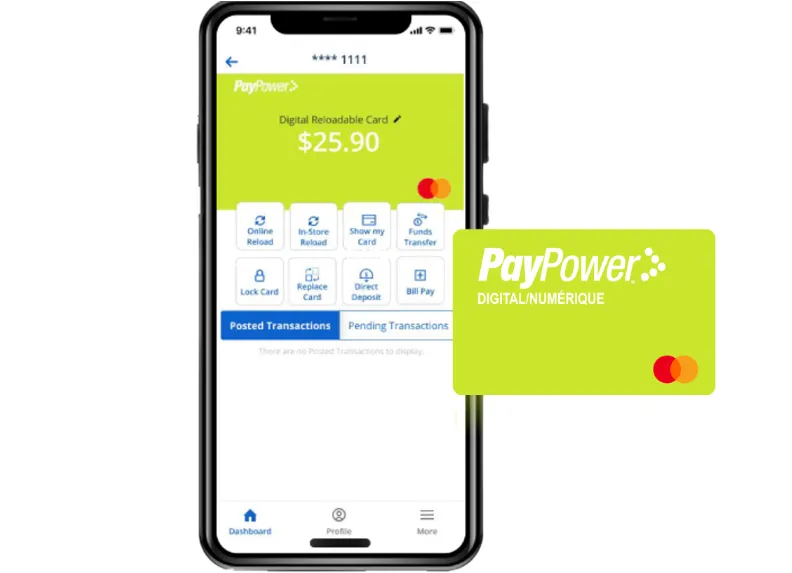
Buying gift cards, loading gift cards, then selling or liquidating them. Slack, Vanilla, and PayPower are the better-known names in this space.
-
Buying into group buys / group-purchase deals. High risk: your money is out, the goods are with someone else, and a runner can disappear at any time.
MS playbook
If any of the above sparked an idea — or you already found an MS method — congratulations. Do not celebrate too early.
-
Do not ask customer service. The number-one rule in this hobby: never tip off support. You burn yourself and everyone else. Just do it.
-
Start small, then scale. Probe with small amounts and grow volume over time. Push hard to scale whatever works. If a method cannot scale, walk away (for example, grinding for a $5 profit is not worth it even at zero cost; if you can push volume to $100,000, a 1% edge starts to matter). Do not go all-out on day one and kill the method.
-
Keep detailed records. Once you MS at volume, missing a payment or losing track of floats can wipe out ten successful runs in one mistake. Good logs also show you earned $Y over period X, so you can decide whether the work is still worth it.
-
Plan your story when dealing with people. MS often involves deposits, withdrawals, and card purchases — especially large ones. Tellers will ask why. Even if the first few times nobody asks, someone will eventually. Have a ready answer (buying a house, buying a car, earning credit-card points, and so on).
-
Stay calm and HUCA (Hang Up, Call Again). If someone will not let you do it, do not argue. Try another person, time, or location. There is no point burning hours with a front-line clerk or phone agent who is barely paid above minimum wage.
Bottom line
MS is an advanced technique in the points-and-miles hobby. You will not find working methods discussed in public. With luck, this piece helps you find your own.
Card issuers — Amex in particular — often limit you to one lifetime welcome offer per product. MS still exists because somewhere in the chain, some company remains inefficient.
Good luck.

Comments
Comments from a new email are reviewed before they appear.